
In shortEn resumen
- Roof claims turn on cause and extent: storm or wear, repair or replacement. Earlier photos of the roof are the strongest evidence you can have.Un reclamo de techo se decide por causa y alcance: tormenta o desgaste, reparación o reemplazo. Las fotos anteriores del techo son la mejor prueba.
- The 15-year roof rule in Florida Statute 627.7011 is about renewing the policy, not about paying a claim. Cause and policy terms decide the claim.La regla de los 15 años del estatuto 627.7011 es sobre renovar la póliza, no sobre pagar un reclamo. La causa y la póliza deciden el reclamo.
- A separate roof deductible (Florida Statute 627.701) never applies to hurricane damage, a punctured deck, a total loss or a repair under half the roof.Un deducible de techo aparte (estatuto 627.701) nunca aplica a daño de huracán, deck perforado, pérdida total ni reparación de menos de medio techo.
Storm damage versus wear and tearDaño por tormenta contra desgaste
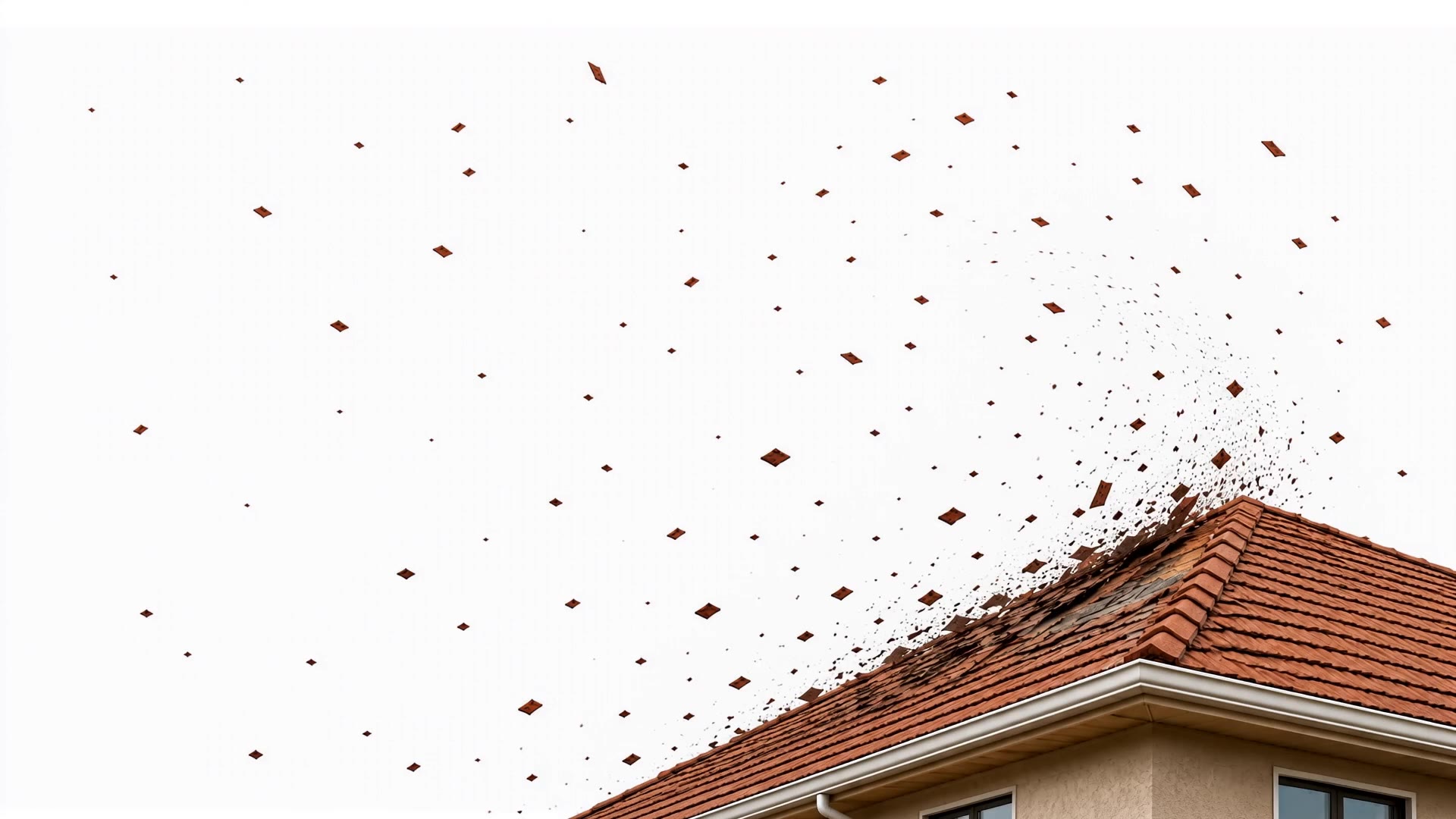
Homeowner policies cover sudden damage from a covered cause, such as wind, hail, a fallen tree or lightning, and exclude wear, deterioration and lack of maintenance. On a roof the two sit side by side: lifted or creased shingles and a torn-off ridge cap after a storm, next to granule loss and cracked sealant that were there before. The insurer's adjuster will photograph both and may attribute everything to age. Your job is to show the storm damage as a separate, dated event: the date of the storm, the weather report for that day and the damage that was not there before.Las pólizas de vivienda cubren daño repentino por una causa cubierta, como viento, granizo, un árbol caído o un rayo, y excluyen desgaste, deterioro y falta de mantenimiento. En un techo las dos cosas conviven: tejas levantadas o dobladas y una cumbrera arrancada después de una tormenta, al lado de pérdida de gránulos y sellador agrietado que ya estaban antes. El ajustador de la aseguradora va a fotografiar las dos y puede atribuirlo todo a la edad. Tu trabajo es mostrar el daño de tormenta como un evento aparte y con fecha: la fecha de la tormenta, el reporte del clima de ese día y el daño que antes no estaba.
Earlier photos matter more than anything. A photo of the roof from the year before, a roofer's inspection from the last sale or renewal, or a drone video from a previous repair establishes the condition the storm started from.Las fotos anteriores valen más que cualquier otra cosa. Una foto del techo del año anterior, la inspección de un techador de la última venta o renovación, o un video de dron de una reparación previa establece la condición de la que partió la tormenta.
The signs inside the houseSeñales dentro de la casa
- Brown or yellow rings on ceilings, often appearing a day or two after the rain.Anillos cafés o amarillos en los techos interiores, que suelen aparecer uno o dos días después de la lluvia.
- Drips, bubbling paint or sagging drywall below the roof line.Goteras, pintura con burbujas o drywall vencido debajo de la línea del techo.
- Wet insulation or daylight visible in the attic.Aislamiento mojado o luz del día visible en el ático.
- Water stains around skylights, vents, chimneys and the air handler of the A/C.Manchas de agua alrededor de tragaluces, ventilaciones, chimeneas y la unidad de aire acondicionado interior.
Photograph each one with a date, note which room sits under which part of the roof, and do not paint over anything until the insurer's adjuster has seen it.Fotografía cada una con fecha, anota qué habitación queda debajo de qué parte del techo, y no pintes encima de nada hasta que el ajustador de la aseguradora lo haya visto.
Photos of the roof, safelyFotos del techo con seguridad
Do not climb on a damaged roof. Take photos from the ground on every side, from a window or balcony above, and with a phone on a pole if you have one. A roofer or a public adjuster with the right equipment can walk the roof and document each slope: missing, lifted and creased shingles, exposed nails, damaged flashing and debris in the gutters. If you hire a roofer for the inspection, ask for the photos and a written report with the date.No te subas a un techo dañado. Toma fotos desde el suelo por cada lado, desde una ventana o balcón más alto, y con el teléfono en un palo si tienes uno. Un techador o un ajustador público con el equipo adecuado puede caminar el techo y documentar cada pendiente: tejas faltantes, levantadas y dobladas, clavos expuestos, tapajuntas dañados y escombros en las canaletas. Si contratas a un techador para la inspección, pídele las fotos y un informe escrito con la fecha.
Emergency repair and tarpsReparación de emergencia y lona
Your policy requires you to protect the property from further damage, so tarping a leaking roof is the right move and does not hurt the claim. Photograph the damage first, keep the invoice for the tarp or the emergency repair, and keep the removed pieces if you can. Report the claim as soon as the leak is found: Florida Statute 627.70132 gives 1 year from the date of loss to report a new claim, and a roof that leaked for months before anyone wrote to the insurer is an easy claim to deny. These are the law’s deadlines; your policy may have its own terms.Tu póliza te exige proteger la propiedad de más daño, así que poner una lona en un techo que gotea es lo correcto y no perjudica el reclamo. Fotografía el daño primero, guarda la factura de la lona o de la reparación de emergencia, y guarda las piezas retiradas si puedes. Reporta el reclamo en cuanto encuentres la gotera: el estatuto 627.70132 de Florida da 1 año desde la fecha del daño para reportar un reclamo nuevo, y un techo que goteó meses antes de que alguien le escribiera a la aseguradora es un reclamo fácil de negar. Son los plazos de la ley; tu póliza puede tener sus propios términos.
The age of the roof and the policyLa edad del techo y la póliza
Roof age comes up in two different places, and they are often confused. The first is at renewal: Florida Statute 627.7011 says an insurer may not refuse to issue or renew a policy solely because the roof is under 15 years old, and for a roof of 15 years or more it must let you get an inspection by an authorized inspector before demanding a replacement; if that inspection shows 5 years or more of useful life, age alone is not a reason to refuse. That rule is about keeping the policy, not about paying a claim.La edad del techo aparece en dos lugares distintos, y se confunden seguido. El primero es la renovación: el estatuto 627.7011 de Florida dice que una aseguradora no puede negarse a emitir o renovar una póliza solo porque el techo tiene menos de 15 años, y para un techo de 15 años o más debe dejarte hacer una inspección con un inspector autorizado antes de exigir el reemplazo; si esa inspección muestra 5 años o más de vida útil, la edad sola no es razón para negarse. Esa regla es sobre conservar la póliza, no sobre pagar un reclamo.
The second is in how the claim is paid. Some policies pay roofs at actual cash value, or on a schedule that reduces the payment with the roof's age; others pay replacement cost. Florida also allows a separate roof deductible under Statute 627.701, capped at the lesser of 2 percent of the dwelling limit or 50 percent of the roof replacement cost, which you can reject when the policy is issued or renewed. That deductible does not apply to hurricane damage, to a tree or object that punctures the roof deck, to a total loss, or to a repair of less than half the roof. Find all of this on the declarations page and in the roof endorsement before you argue the number.El segundo es cómo se paga el reclamo. Algunas pólizas pagan el techo a valor real en efectivo, o con una tabla que reduce el pago según la edad del techo; otras pagan costo de reemplazo. Florida también permite un deducible de techo aparte bajo el estatuto 627.701, con tope en lo que sea menor entre 2 por ciento del límite de la vivienda o 50 por ciento del costo de reemplazar el techo, y que puedes rechazar cuando la póliza se emite o renueva. Ese deducible no aplica a daño de huracán, a un árbol u objeto que perfore el deck del techo, a una pérdida total ni a una reparación de menos de la mitad del techo. Busca todo esto en la página de declaraciones y en el endoso de techo antes de discutir el número.
How to read the insurer's answerCómo revisar la respuesta del seguro
Ask for the adjuster's detailed estimate; Florida Statute 627.70131 requires the insurer to send it within 7 days of its being written. Look for four things: the cause the adjuster assigned (storm or wear), the number of slopes and the area measured, whether it is a repair or a full replacement, and whether depreciation and a roof deductible were taken. If the insurer paid for a repair and your roofer says the roof cannot be repaired to match, or the building code requires more, put that in writing with the roofer's report and ask for a revised estimate. A supplemental claim can be filed within 18 months of the date of loss. These are the law’s deadlines; your policy may have its own terms.Pide el estimado detallado del ajustador; el estatuto 627.70131 de Florida exige que la aseguradora lo envíe dentro de 7 días de haberlo escrito. Busca cuatro cosas: la causa que asignó el ajustador (tormenta o desgaste), el número de pendientes y el área medida, si es reparación o reemplazo completo, y si descontaron depreciación y deducible de techo. Si la aseguradora pagó una reparación y tu techador dice que el techo no se puede reparar de forma uniforme, o el código de construcción exige más, ponlo por escrito con el informe del techador y pide un estimado revisado. Un reclamo suplementario se puede presentar dentro de 18 meses desde la fecha del daño. Son los plazos de la ley; tu póliza puede tener sus propios términos.
Easy Claim Corp documents roofs for homeowners in Hollywood, Broward and Miami-Dade and writes the estimate that goes to the insurer. Questions about lawsuits over a roof claim are for an attorney.Easy Claim Corp documenta techos para propietarios en Hollywood, Broward y Miami-Dade y escribe el estimado que va a la aseguradora. Las preguntas sobre demandas por un reclamo de techo son para un abogado.
Common questionsPreguntas frecuentes
Does the insurer pay for a roof older than 15 years?¿El seguro paga un techo de más de 15 años?
Age by itself does not decide a claim. The 15-year rule in Florida Statute 627.7011 is about issuing and renewing the policy, not about paying a loss. A claim on an older roof is judged by the cause of the damage and by what your policy says about roofs, including any actual cash value or roof schedule endorsement.La edad por sí sola no decide un reclamo. La regla de los 15 años del estatuto 627.7011 de Florida es sobre emitir y renovar la póliza, no sobre pagar un daño. Un reclamo en un techo viejo se juzga por la causa del daño y por lo que dice tu póliza sobre techos, incluido cualquier endoso de valor real en efectivo o tabla por edad.
Can I put a tarp on before the adjuster comes?¿Puedo poner una lona antes de que vengan?
Yes. The policy expects you to prevent further damage. Take photos first, keep the receipt and tell the insurer in writing what was done and why.Sí. La póliza espera que evites más daño. Toma fotos primero, guarda el recibo y dile a la aseguradora por escrito qué se hizo y por qué.
What if the insurer pays only for a repair and not the whole roof?¿Qué pasa si solo pagan la reparación y no el techo completo?
Ask in writing for the basis: which slopes were measured, why the adjuster considers the roof repairable and whether matching materials exist. Answer with a roofer's written report. If the disagreement is about the amount, the policy's appraisal clause and the state mediation program under Florida Statute 627.7015 are the next steps.Pide por escrito la base: qué pendientes midieron, por qué el ajustador considera el techo reparable y si existen materiales que combinen. Responde con el informe escrito de un techador. Si el desacuerdo es sobre el monto, la cláusula de tasación de la póliza y el programa de mediación del estado bajo el estatuto 627.7015 de Florida son los siguientes pasos.
Need help with a claim like this?¿Necesitas ayuda con un reclamo así?
I document the damage and present the claim to your insurer. I charge 20% of what the insurance company pays you thanks to my work, or at most 10% the first year after a declared emergency. Everything is in writing.Documento el daño y presento el reclamo a tu aseguradora. Cobro el 20% de lo que el seguro te pague gracias a mi trabajo, o máximo 10% el primer año después de una emergencia declarada. Todo queda por escrito.
Related service page:Página de servicio relacionada: Storm and hurricane damage claimsReclamos por tormenta y huracán
This article is general information, not legal advice. Policies differ; read yours. María Adriani, Public Adjuster, Lic. W568192 · Easy Claim Corp, Lic. G094867 · State of Florida.Este artículo es información general, no asesoría legal. Cada póliza es distinta; lee la tuya. María Adriani, Public Adjuster, Lic. W568192 · Easy Claim Corp, Lic. G094867 · State of Florida.
More guidesMás guías
- Smoke Damage Insurance Claims in Florida: A GuideDaños por humo: cómo reclamar al seguro en FloridaSmoke and soot travel far beyond the fire. What counts as smoke damage, what to document before cleaning, and how a Florida claim works.El humo y el hollín llegan mucho más allá del fuego. Qué cuenta como daño por humo, qué documentar antes de limpiar y cómo funciona el reclamo en Florida.Read the guide →Leer la guía →
- Storm Damage Claims in Hollywood, FL: First StepsReclamo por tormenta en Hollywood, FL: primeros pasosWind, rain and lightning damage in Hollywood and Broward: what to photograph the same day, emergency repairs, how to report and the insurer's deadlines.Daños por viento, lluvia y rayos en Hollywood y Broward: qué fotografiar el mismo día, reparaciones de emergencia, cómo reportar y los plazos del seguro.Read the guide →Leer la guía →
- Public Adjuster in Hollywood, FL: What They DoAjustador público en Hollywood, FL: qué hace y cuándoWhat a Florida public adjuster does, how they differ from the insurer's adjuster, the fee caps in Florida law, and how to verify a license before you sign.Qué hace un ajustador público en Florida, en qué se diferencia del ajustador del seguro, los topes de honorarios por ley y cómo verificar la licencia.Read the guide →Leer la guía →
- Hurricane Damage Claims in Hollywood: Owner's GuideReclamo por huracán en Hollywood: guía para dueñosHow a hurricane claim works for a Hollywood, FL home: the hurricane deductible, wind versus water, documenting the damage and the deadlines that apply.Cómo funciona el reclamo por huracán en una casa de Hollywood, FL: el deducible, viento contra agua, cómo documentar el daño y los plazos que aplican.Read the guide →Leer la guía →
- Florida Fire Damage Claims: Step by StepReclamo por incendio en Florida: paso a pasoAfter a house fire in Florida: the first 48 hours, the fire report, structure, contents and living expenses, and how to read the insurer's estimate.Después de un incendio en Florida: las primeras 48 horas, el reporte de bomberos, estructura, contenidos y vivienda temporal, y cómo leer el estimado.Read the guide →Leer la guía →
- Does Insurance Cover Mold in Florida? What to Know¿El seguro cubre el moho en Florida? Lo que debes saberWhen Florida homeowner insurance covers mold and when it does not, the mold limit in many policies, and how to document the cause so the claim holds.Cuándo el seguro de casa en Florida cubre el moho y cuándo no, el límite de moho de muchas pólizas y cómo documentar la causa del agua.Read the guide →Leer la guía →
- Home Insurance Claim Denied in Florida: What Now?El seguro me negó el reclamo: ¿qué hago ahora?How to read a denial letter, why Florida insurers deny home claims, what to request in writing, and what follows: reopen, DFS mediation, appraisal.Cómo leer la carta de negación, por qué niegan reclamos en Florida, qué pedir por escrito y las vías que siguen: reabrir, mediación del DFS, tasación.Read the guide →Leer la guía →
- Water Damage Claims in Florida: How to StartDaño por agua en casa: cómo reclamar al seguroSudden leak versus slow leak, what to do in the first hours, the photos and plumber invoice that prove the cause, hidden damage, and how to read the offer.Fuga repentina contra fuga lenta, qué hacer en las primeras horas, las fotos y la factura del plomero que prueban la causa, y cómo leer la oferta.Read the guide →Leer la guía →
- Florida Home Insurance Claim Deadlines ExplainedPlazos para reclamar al seguro de casa en FloridaThe deadline to report a new claim, the deadline for a supplemental claim, how long the insurer has to respond, and how to keep proof of every date.El plazo para reportar un daño nuevo, el plazo del reclamo suplementario, cuánto tiene la aseguradora para responder y cómo guardar prueba de cada fecha.Read the guide →Leer la guía →
- How Much Does a Public Adjuster Charge in Florida?¿Cuánto cobra un ajustador público en Florida?How public adjuster fees are calculated in Florida, the caps set by Statute 626.854, the emergency rate, what the contract must say and how to cancel.Cómo se calculan los honorarios del ajustador público en Florida, los topes del estatuto 626.854, la tarifa en emergencia, el contrato y cómo cancelar.Read the guide →Leer la guía →
- Underpaid Home Insurance Claim? Review the EstimateEl seguro me pagó poco: cómo revisar el estimadoHow to read the insurer's estimate line by line, items that often go missing, how depreciation works in Florida, and how to ask for a review in writing.Cómo leer el estimado del seguro línea por línea, qué partidas suelen faltar, cómo funciona la depreciación en Florida y cómo pedir revisión por escrito.Read the guide →Leer la guía →
- What to Do After a House Fire: A Florida ChecklistQué hacer después de un incendio en casa: listaChecklist for the first days after a house fire in Florida: safety, notifying the insurer, documents, protecting the house, receipts and next steps.Lista para los primeros días tras un incendio en casa en Florida: seguridad, aviso al seguro, documentos, proteger la casa, recibos y pasos del reclamo.Read the guide →Leer la guía →
- How to Document Damage for a Home Insurance ClaimCómo documentar daños para tu reclamo de seguroPhotos, walkthrough video, room-by-room inventory, receipts and estimates, a log of every call and email, where to keep it, and Florida's recording rule.Fotos, video de la casa, inventario por habitación, recibos y estimados, registro de llamadas y correos, dónde guardarlo y la regla de grabar en Florida.Read the guide →Leer la guía →
- Insurance Adjuster vs. Public Adjuster: Key DifferencesAjustador del seguro o ajustador público: diferenciasWho the company adjuster, the independent adjuster, the public adjuster and the attorney each work for in a Florida claim, and how to choose for your case.Para quién trabaja cada uno en un reclamo en Florida: ajustador de la compañía, independiente, público y abogado, y cómo elegir según tu caso.Read the guide →Leer la guía →
- How to Verify a Florida Public Adjuster LicenseCómo verificar la licencia de un ajustador públicoWhy to check before signing, where to search on the Florida DFS portal, personal and firm licenses, the red flags, and how to file a complaint.Por qué verificar antes de firmar, dónde buscar en el portal del DFS de Florida, licencia personal y de la empresa, las señales de alerta y cómo quejarse.Read the guide →Leer la guía →
- How Insurance Appraisal Works in FloridaTasación del reclamo de seguro en Florida: cómo funcionaWhat the appraisal clause is, when it is used, who takes part, what it costs, and how it differs from DFS mediation in a Florida property claim.Qué es la cláusula de tasación, cuándo se usa, quiénes participan, cuánto cuesta y en qué se diferencia de la mediación del DFS en Florida.Read the guide →Leer la guía →
- AC Leak Water Damage: Does Insurance Cover It?Fuga del aire acondicionado: ¿la cubre el seguro?Why air conditioners leak in Florida, damage to floors, walls and cabinets, sudden leak versus maintenance, what to document, and what the insurer pays.Por qué gotea el aire acondicionado en Florida, daño en pisos, paredes y gabinetes, fuga repentina o mantenimiento, qué documentar y qué paga el seguro.Read the guide →Leer la guía →
- Condo Insurance Claims in Florida: Who Pays WhatReclamos de seguro en condominios de FloridaAssociation policy versus HO-6, a leak from the unit above, what to read in the condo documents, documenting your unit and working with management.Póliza de la asociación o HO-6, la fuga del vecino de arriba, qué leer en los documentos del condominio, cómo documentar tu unidad y la administración.Read the guide →Leer la guía →
- Additional Living Expenses: What Your Policy May CoverVivienda temporal: lo que puede cubrir tu seguroWhat loss of use coverage is, the expenses usually included, how to keep the records, where to find the policy limits, and how to ask for an advance.Qué es la cobertura de pérdida de uso, los gastos que suelen incluirse, cómo llevar el registro, dónde ver los límites de la póliza y cómo pedir adelantos.Read the guide →Leer la guía →